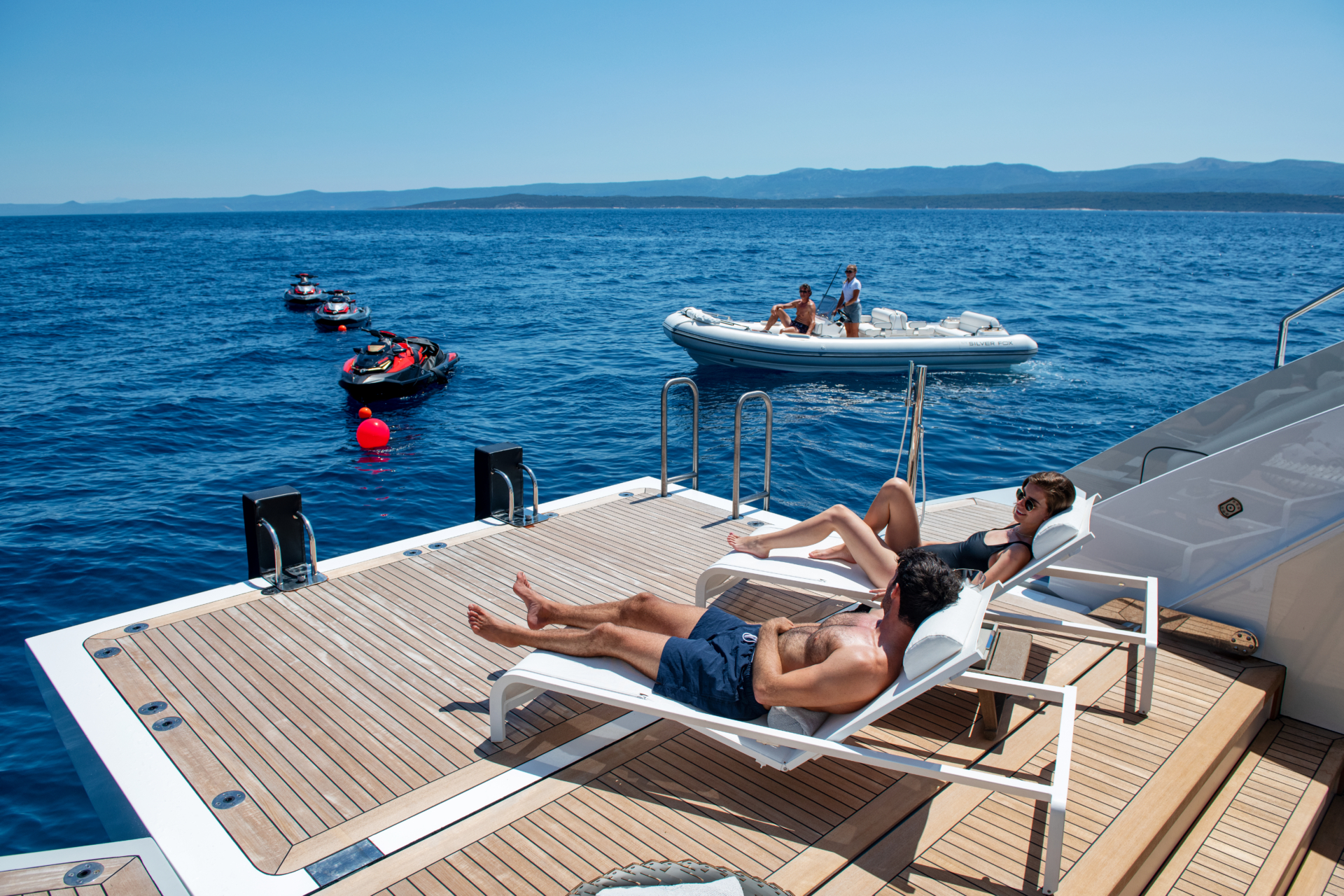
Owning a yacht is a lifestyle investment, but many first-time buyers quickly ask the same question: can you charter out your yacht to help offset ownership costs?
The short answer is yes. Many yacht owners place their yachts into charter programs to generate income when they are not personally using the yacht.
However, there are important factors to understand before deciding if this approach is right for you. Income potential, operational management, maintenance, and tax considerations all play a role.
In this guide, we break down how yacht charter programs work and what owners should realistically expect.
How Does Chartering Out Your Yacht Work?
When you charter out your yacht, guests pay to charter the vessel for holidays and experiences, usually for a weekly rate.
Owners typically work with a yacht management or charter company, such as World Yacht Group, that helps handle:
- Marketing the yacht
- Booking enquiries
- Contracts and legal administration
- Charter Guest services
- Financial administration
This allows the yacht to operate professionally while reducing the amount of day-to-day involvement required from the owner.
Many owners choose to use their yacht for part of the year and place it into charter during the remaining months.
Can Charter Income Cover Yacht Ownership Costs?
One of the main reasons owners charter out their yacht is to help offset operational expenses.
These costs can include:
- Crew salaries
- топливо
- Docking and marina fees
- Insurance
- Maintenance and servicing
- Annual yacht management expenses
While charter income can help reduce these costs significantly, it is important to have realistic expectations.
In most cases, chartering helps offset ownership expenses rather than fully covering them although it is true that in many cases an owner can offset the full yearly operational expenses (carrying cost) of the yacht.
How Much Income Can a Charter Yacht Generate?
Income potential depends on several factors, including:
- Yacht size
- Charter destination
- Seasonality
- Yacht condition
- Amenities onboard
- Crew reputation
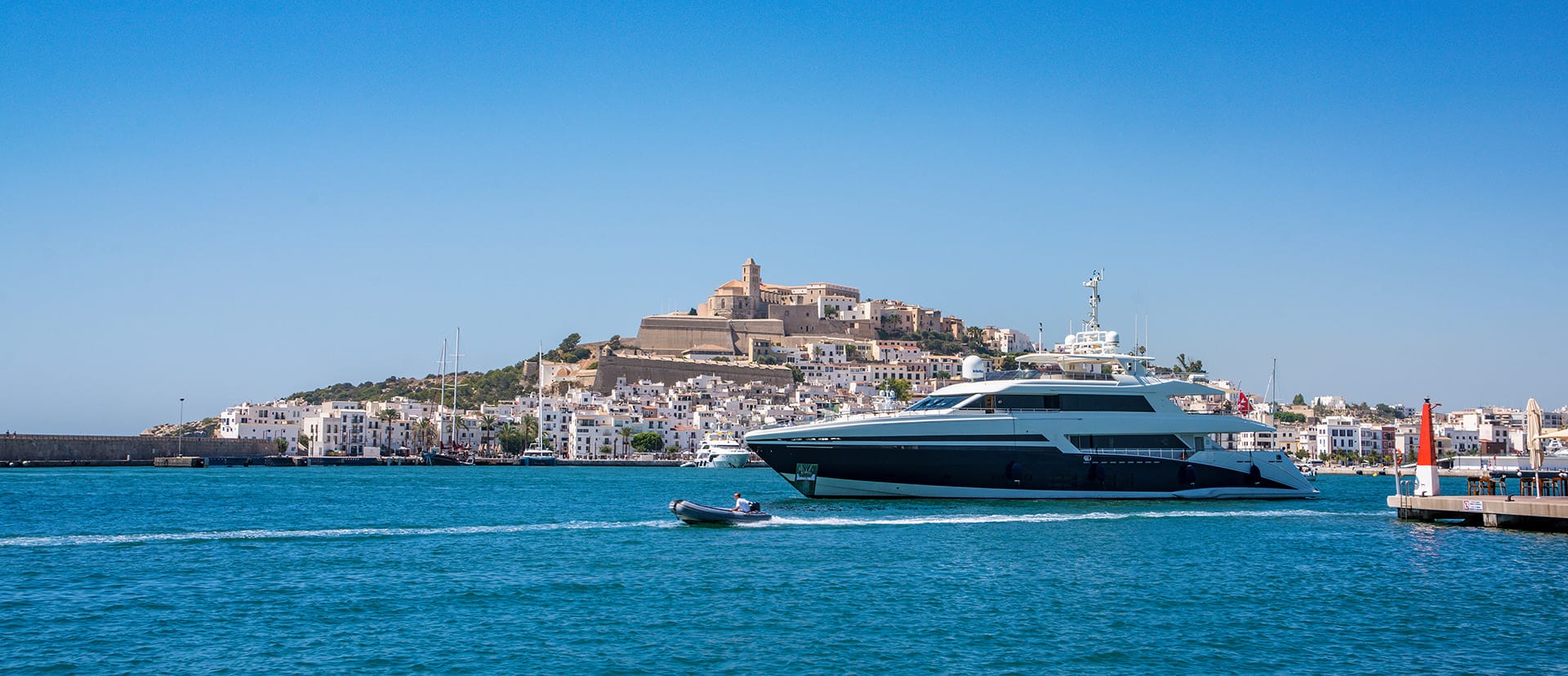
A well-managed yacht in a popular destination like Ibiza, the South of France, or the Caribbean may attract strong seasonal demand.
For example:
- Yachts between 80’ / 24m and 110’ / 32m charter on average between 40,000€ to 90,000€ per week
- Yachts between 110’ / 32m and 150’ / 45m charter on average between 90,000€ to 200,000€ per week
- Larger yachts between 150’ / 45m and 260’ / 80m charter on average between 200,000€ to 1,000,000€ per week.
However, actual annual income depends on how many weeks the yacht is successfully booked each year and if the owner allows for the yacht to charter at a competitive weekly rate, which maximizes charters.
Here is a comprehensive link to a charter guide that explains in detail how a charter works.
What Are the Commissions an Owner Pays to the Charter Manager / Broker?
The standard commission a charter management company charges to manage your yacht for charter is generally 20% of the charter fee. A charter manager will market the yacht and will offer it to their clients as well as many charter brokers to maximize charters.
Depending on the level of involvement of the Charter Manager, this standard commission can be 22% or even 25%.
For a few years now, most yacht charter management companies have been requesting a 25% commission of the charter fee when the yacht is under 100’ / 30m of length.
Retail charter brokers work closely with charter managers to charter yachts and there is a well established synergy and cooperation within the yachting industry to ensure the charters are done professionally and in most cases, within the MYBA (World Wide Yachting Association) guidelines, ensuring the yacht owner as well as the charter client are protected and a standard MYBA charter contract is used for every charter.
In USA waters though, the charter agreement used is different and is a US standard agreement.
What Types of Yachts Perform Best in Charter?
Not every yacht is equally suited for charter use.
Generally, yachts with the following features tend to perform well:
- Modern interiors
- Spacious outdoor deck areas
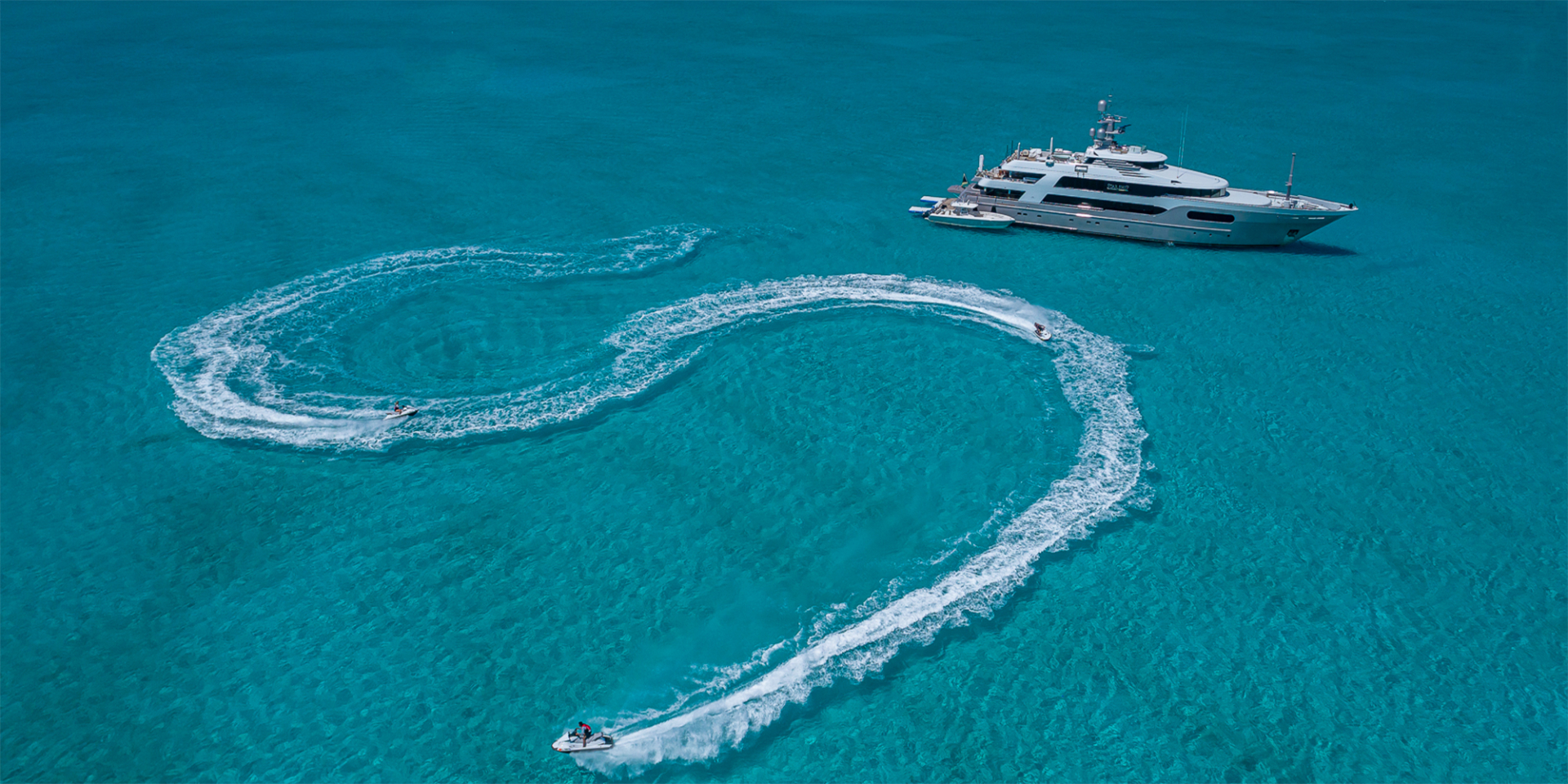
- Water toys and entertainment features
- Strong crew service and minimum 4 full crew
- Flexible guest accommodation of 8 to 12 guests.
Location also matters. Yachts typically perform better in The Mediterranean during the summer season other than the Caribbean or Bahamas for example.
During the winter season, the best destinations are The Caribbean и Багамские острова; Caribbean being better suited for yachts of 115’ and larger.
Working with an experienced brokerage team can help determine whether your yacht has strong charter potential and which are the best locations.
Some Owners choose to do dual seasons, and this does increase the revenue potential dramatically. For example a yacht can do the Mediterranean in the summer season and the Caribbean or Bahamas in the winter season.
What Are the Tax Implications?
Tax considerations are one of the most important aspects of charter ownership.
Depending on where the yacht is registered and operated, owners may need to consider:
- VAT obligations
- Commercial registration requirements
- Income reporting
- Local charter regulations
Tax laws vary significantly depending on jurisdiction, so professional legal and tax advice is essential before placing a yacht into charter service.
Proper structuring from the beginning can help avoid complications later. A good Charter Management company such as World Yacht Group will be able to explain the regulations and capabilities for your yacht and locations you wish to offer your yacht for charter.
What Are the Downsides of Chartering Your Yacht?
Although chartering can generate income, there are also trade-offs to consider.
1. Increased Wear and Tear
More guest usage means:
- Higher maintenance demands
- Faster wear on interiors and equipment
- More operational pressure on the yacht
Maintaining charter standards requires consistent upkeep.
2. Reduced Personal Availability
If your yacht is heavily booked for charter, you may have less flexibility for personal trips during peak periods / high season months.
Owners often need to plan their own usage schedules and or fill the gaps in between charters. It is important to mention that the owners always have priority on their use and most charter managers will accommodate the charters around the owner’s use unless the owner decides to give priority to charters.
3. Additional Operational Complexity
Running a successful charter yacht involves:
- планирование
- Compliance
- Crew management
- Guest expectations
This is why experienced management support becomes so important.
To succeed, a yacht owner should choose one charter manager to handle all the charters for the yacht.
Is Chartering Your Yacht Worth It?
For many owners, chartering out their yacht is a smart way to reduce ongoing costs while keeping the yacht active and professionally maintained.
Yacht Crew love to charter their yachts as they get to stay active as well as earn more money thanks to the crew gratuity which is customary to be given by the charter guests after every charter.
It can also help justify ownership by turning the yacht into a partially income-generating asset instead of a purely personal expense.
However, success depends on choosing the right yacht, operating in the right market, and working with experienced professionals.
Final Thoughts
Choosing to charter out your yacht can be an effective way to offset ownership costs, especially when supported by the right management team and charter strategy.
While charter income may not fully eliminate expenses always, it can significantly reduce the financial burden of ownership while keeping your yacht operational and professionally managed.
For first-time owners, understanding both the opportunities and responsibilities of charter ownership is essential before making a decision.